


Imagine kayaking through the inky blackness, each paddle stroke igniting a cascade of ethereal blue-green sparks beneath the surface. This mesmerizing spectacle, where the ocean seems to come alive with light, is known as bioluminescence, a natural marvel powered by tiny marine organisms, primarily bioluminescent plankton. Far from a trick of moonlight or artificial glow, this phenomenon is a complex biological reaction, transforming the sea into a living canvas of light. Understanding what causes the sea to glow blue at night not only deepens appreciation for marine life but also enhances the magic of encountering it firsthand in places like Vietnam's stunning Lan Ha Bay.

1. What Is Bioluminescent Plankton?
Bioluminescent plankton refers to specific species of microscopic marine organisms possessing the remarkable ability to produce their own light. Plankton itself forms a diverse collection of organisms, both plant (phytoplankton) and animal (zooplankton), that drift in vast numbers across oceans, seas, and freshwater bodies, anchoring many aquatic food webs. While not all plankton glows, a select few have evolved this captivating capacity for bioluminescence.
The most commonly observed bioluminescent plankton in coastal waters are dinoflagellates, a type of single-celled alga or protozoan. These tiny organisms, often less than a millimeter in size, belong to the phytoplankton group and are responsible for many of the spectacular glowing ocean displays witnessed globally. When these specific dinoflagellates are present in high concentrations and are disturbed, they emit a fleeting burst of light, turning ordinary seawater into a shimmering, starry canvas. The sheer density and widespread distribution of these organisms mean their collective light can transform vast stretches of water, creating one of nature's most enchanting light shows. Other plankton types, such as certain copepods and ostracods, can also be bioluminescent, though dinoflagellates typically steal the spotlight for surface displays.

2. Why Does the Sea Glow Blue at Night?
The ethereal blue glow illuminating the sea at night is a breathtaking testament to the intricate biochemical processes occurring within living organisms. This phenomenon, known as bioluminescence, is essentially a "cold light," meaning very little heat is generated. It's a natural chemical reaction, distinct from the warmth produced by a flame or an incandescent bulb, and stands as one of the most widespread forms of communication in the deep ocean. The vivid blue hue observed is directly linked to specific chemical reactions and the way light travels through water.
2.1. A Natural Chemical Reaction
At the heart of bioluminescence lies a complex yet elegant chemical reaction involving specific molecules. The primary components typically include a light-emitting molecule, known as a luciferin, and an enzyme, called a luciferase. When luciferin reacts with oxygen, catalyzed by luciferase, it releases energy in the form of light. This enzymatic reaction proves highly efficient, converting chemical energy directly into light energy with minimal heat loss. Different organisms have evolved unique variations of luciferin and luciferase, leading to slight differences in the color and intensity of the light produced. This organic light production is an innate biological function, not a reflection of external light sources like the moon or distant urban lights.
2.2. Why Does the Water Glow When You Touch It?
Many bioluminescent plankton species, particularly dinoflagellates, exhibit a unique characteristic: they flash light in response to mechanical stimulation. This means that the gentle ripple of a boat, the sweep of a paddle, or even the subtle movement of a hand through the water can trigger their light production. The mechanical stress or pressure on their cell membrane acts as a switch, initiating the luciferin-luciferase reaction. It serves as a defense mechanism, startling potential predators or drawing attention to them. This sensitivity is precisely why activities like kayaking or swimming in bioluminescent waters can be so captivating, as every movement creates a trail of shimmering blue. The disturbance causes a cascade of flashes, creating glowing outlines of moving objects against the dark backdrop of the ocean.
2.3. Why Is the Glow Usually Blue or Blue-Green?
The predominantly blue or blue-green color of marine bioluminescence is far from arbitrary; it represents a profound adaptation to the physics of light in water. In marine environments, blue light travels the farthest and is absorbed the least by seawater, making it the most effective wavelength for visibility over long distances. Organisms emitting blue light can be seen by other marine life more readily than those emitting other colors, such as red or yellow, which are quickly absorbed and scattered closer to the surface. This evolutionary advantage means most bioluminescent organisms in the ocean have developed biochemical pathways to produce light in this specific part of the electromagnetic spectrum, optimizing their communication and defense strategies in a vast, watery world.
3. Why Do Plankton Produce Light?
The ability to produce light, known as bioluminescence, is a sophisticated biological trait that serves various vital functions for plankton and other marine organisms. Far from being a mere spectacle, this glowing capability is a powerful tool for survival in the vast, often dark, oceanic environment. While the exact purpose can vary by species, several key theories explain why these tiny organisms invest energy in generating light.
One primary reason centers on defense against predators. When disturbed, many bioluminescent plankton flash brightly, which can startle or temporarily blind a predator, granting the plankton a precious moment to escape. This sudden burst of light can also act as a "burglar alarm," attracting larger predators to the scene, who may then prey on the original attacker. Imagine a small fish chasing glowing plankton; the plankton's flash might draw the attention of a shark or larger fish, turning the hunter into the hunted. Additionally, some species may use bioluminescence for camouflage, counter-illuminating their undersides to match the dim light filtering from above, making them invisible to predators looking up from below. The multifaceted nature of this adaptation highlights the evolutionary pressures shaping life in the ocean.
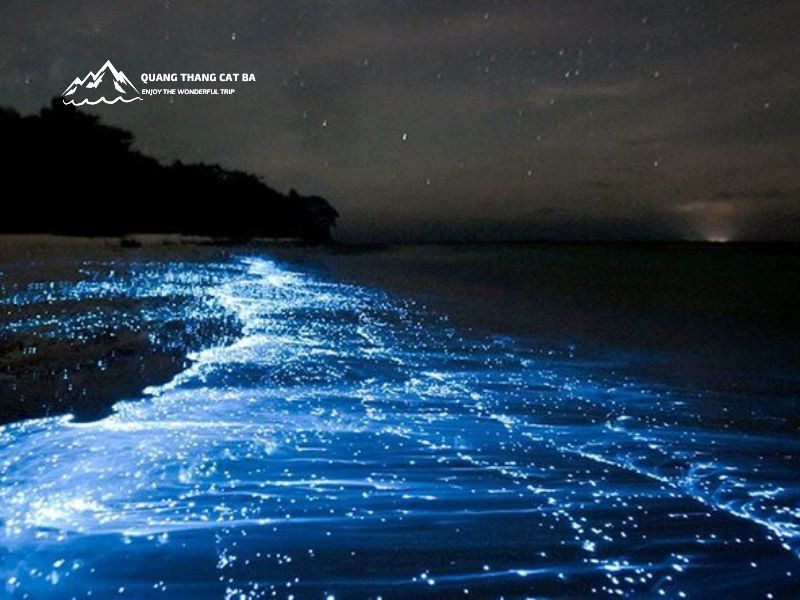
4. What Does Bioluminescent Plankton Look Like in the Ocean?
Witnessing bioluminescent plankton in the ocean is an unforgettable experience, yet its appearance can vary significantly depending on several factors. It's important to set expectations, as the vivid, often exaggerated images seen in advertisements sometimes differ from the natural, nuanced beauty observed firsthand. Understanding what to expect enhances the wonder of the real encounter.
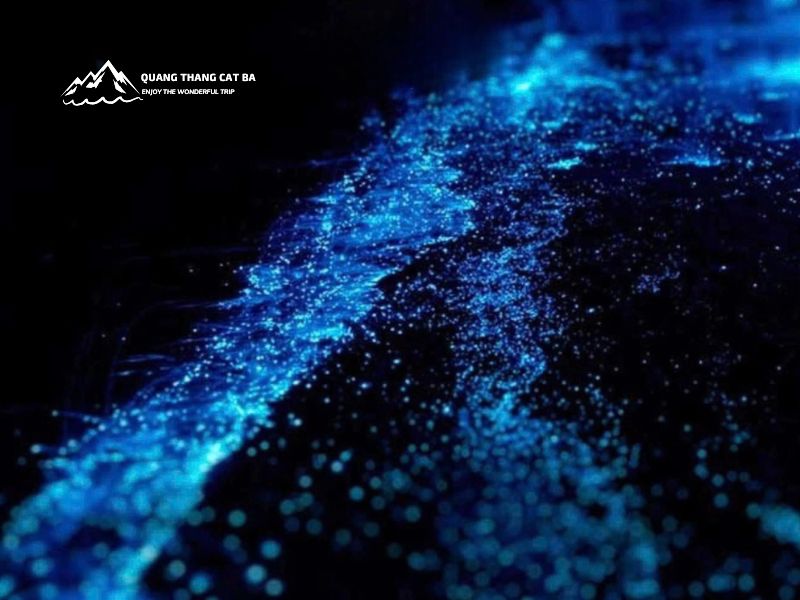
When conditions are optimal and these glowing organisms are present in high concentrations, the ocean transforms. Gentle disturbances, whether from a hand gliding through the water or a fish darting by, ignite individual dinoflagellates, scattering ephemeral pinpricks of blue or blue-green light like underwater stars. As your kayak paddle cuts through the surface, it leaves behind brilliant streaks and swirling patterns, making it feel as if you're navigating through liquid starlight. Even subtle movements of the water, such as small waves, can cause the surface to shimmer with a faint, widespread glow, elegantly outlining boats and kayaks against the dark. The intensity of this spectacle varies; while optimal nights promise a remarkably vivid display, other times it might offer a more subtle, delicate shimmer.
It's crucial to remember that real-life viewing often presents a softer, more magical glow than long-exposure photographs might suggest. Photos capture accumulated light over time, while our eyes perceive fleeting flashes. The true magic lies in the dynamic, interactive nature of the light, responding directly to your presence and movement.
5. Is Bioluminescent Plankton the Same as Glowing Algae?
The terms "plankton" and "algae" are often used interchangeably in general conversation, especially concerning glowing phenomena, but it's important to understand their scientific distinctions to avoid confusion. While related, they are not precisely the same, and clarifying their relationship sheds light on the nature of marine bioluminescence.
| Feature | Plankton | Algae | Bioluminescent Dinoflagellates |
|---|---|---|---|
| Definition | Organisms (plant & animal) that drift in water, unable to swim against currents. | Diverse group of photosynthetic organisms, from single-celled to complex seaweeds. | Single-celled microorganisms, often considered microalgae. |
| Categorization | Includes phytoplankton (plant-like) and zooplankton (animal-like). | Can be macroalgae (seaweed) or microalgae (microscopic). | A specific type of phytoplankton. |
| Bioluminescence | Some plankton species (e.g., dinoflagellates, copepods) are bioluminescent. | Only certain microalgae, specifically some dinoflagellates, exhibit bioluminescence. | Key source of ocean bioluminescence. |
| Role | Base of the aquatic food web, vital for marine ecosystems. | Primary producers, releasing oxygen and providing food. | Essential for the food chain, unique light producers. |
Plankton is a broad ecological category encompassing any organism, plant or animal, that floats or drifts in water. Algae, on the other hand, are a large and diverse group of photosynthetic organisms. Many types of microalgae, which are single-celled and plant-like, fall under the classification of phytoplankton (a type of plankton). Therefore, when we speak of bioluminescent plankton, we are often referring to specific species of dinoflagellates, which are indeed a type of microalgae found within the plankton community. It's accurate to say that certain glowing algae are a form of glowing plankton, but importantly, not all plankton glows, and not all algae are planktonic or bioluminescent. The key insight is that the bioluminescent organisms observed in glowing seas are typically microscopic algae that happen to be planktonic.
It's also worth noting the difference between bioluminescence and fluorescence. Bioluminescence is the active production of light through a chemical reaction within an organism. Fluorescence, conversely, is the absorption of light at one wavelength and its re-emission at a different, longer wavelength (e.g., corals glowing under UV light). The ocean's sparkling blue light is a testament to true bioluminescence.
6. Can You See Bioluminescent Plankton Every Night?
Despite the allure of the glowing sea, the spectacle of bioluminescent plankton is not a nightly guarantee. It is a natural phenomenon, highly dependent on a delicate interplay of environmental factors, meaning that while it can be breathtakingly consistent in some locations, its appearance in others is more sporadic. Understanding these variables helps in appreciating the conditions necessary for this natural light show.
Observing the glowing plankton hinges on a delicate balance of conditions. Most critically, a dense concentration of these bioluminescent organisms is essential for any noticeable glow, with blooms influenced by factors like nutrient availability, water temperature, and currents. Darkness is another key player; bright ambient light from the moon or artificial sources can easily dim the magic, making new moon phases often the best for viewing. Moreover, the plankton often only lights up when agitated. This means gentle waves, boat movements, or even a swimmer's stroke can trigger their glow, while calm waters might offer less visible light. Finally, general weather and ocean conditions play a role; heavy rains can disperse plankton, and strong winds might shift them away from viewing spots. Conversely, stable, warm, nutrient-rich waters generally foster more favorable blooms, though optimal times can vary seasonally by region.
Because of these fluctuating conditions, a sighting of bioluminescent plankton is often considered a special treat rather than a guaranteed event. Nature's displays operate on their own schedule, making each encounter uniquely exciting.
7. Where Can You See Bioluminescent Plankton?
The phenomenon of bioluminescence is widespread across the global ocean, from the deepest abyssal plains to temperate coastal estuaries. However, some regions offer more accessible and spectacular opportunities to witness bioluminescent plankton due to their unique environmental conditions and the prevalence of specific glowing species. These areas often feature sheltered bays or lagoons where plankton can concentrate, and ambient light pollution is minimal.
Globally, famous bioluminescent bays include those in Puerto Rico, Jamaica, and the Maldives. Closer to home, in Southeast Asia, Vietnam's Cát Bà Island and the breathtaking Lan Ha Bay, adjacent to Ha Long Bay, are emerging as significant spots for experiencing this natural wonder. Here, the sheltered karst landscape creates ideal conditions for plankton to thrive, offering adventurous travelers a chance to witness the sea glow firsthand. While not guaranteed every night, the calm, nutrient-rich waters and relatively undisturbed environment of Lan Ha Bay frequently host these glowing organisms. Visitors often engage in nighttime kayaking or swimming tours to immerse themselves in this magical display.
For those eager to discover the specific timing and best methods for encountering this natural spectacle, delving into local expert guides is invaluable. To learn more about when and how to maximize your chances of seeing this ethereal glow in Vietnam, consider exploring resources on Lan Ha Bay Plankton: When to Go, How to See the Glow.
8. Is It Safe to Touch or Swim in Bioluminescent Water?
The allure of diving into waters that sparkle with every movement is undeniably strong, yet the safety of touching or swimming in bioluminescent water is not a one-size-fits-all answer. While many bioluminescent displays are perfectly harmless, it's crucial to exercise caution and prioritize local guidance, as certain conditions or species might pose risks.
In most cases, the bioluminescent plankton responsible for the glowing effect, particularly dinoflagellates, are non-toxic to humans. Swimming or kayaking among them generally presents no danger, and many tour operators actively encourage guests to interact with the glowing water. The experience of trailing light from your fingertips or seeing your body outlined in blue sparks can be truly magical and is often safe.
Nevertheless, caution remains paramount. While most bioluminescent displays are harmless, some dinoflagellate species can be associated with harmful algal blooms, often known as 'red tides.' These blooms might produce toxins detrimental to marine life and, in rare instances, to humans if ingested or through prolonged skin contact. Though such toxins usually pose a greater threat to shellfish, it's a risk factor worth noting. Furthermore, individual skin sensitivities vary, and like any natural body of water, water quality is a factor; if you have open wounds or sensitive skin, prudence is always best. Always heed local advisories and the guidance of reputable tour operators, particularly regarding water quality, and never consume the water. Finally, while it's tempting to interact closely, remember to observe and appreciate the spectacle without disturbing the delicate marine ecosystem.
Ultimately, if you're considering swimming or interacting with glowing waters, always heed the advice of local guides and authorities. They possess the most up-to-date information on water quality and specific conditions in the area. For those looking to experience the magic of the sea in a comprehensive way, combining a daytime adventure with a nighttime spectacle can be incredibly rewarding. Consider an all-inclusive 1-day Lan Ha Bay tour to explore the bay's natural wonders before seeking out the nocturnal glow. Similarly, for an extended exploration, an immersive 2-day 1-night Cat Ba tour offers deep immersion into the region's beauty.
For those simply seeking a brief, enchanting encounter with the glowing waters as part of a scenic trip, a Lan Ha Bay sunset cruise can often provide an opportunity to witness the bioluminescence as dusk settles. If you are captivated by the idea of an extensive journey, a comprehensive 3-day 2-night Cat Ba tour package provides an even deeper exploration of the region’s natural and cultural marvels, potentially culminating in a dazzling encounter with the glowing sea.
9. Frequently Asked Questions About Bioluminescent Plankton
Is bioluminescent plankton real?
Yes, bioluminescent plankton is entirely real. It's a scientifically documented natural phenomenon where certain microscopic marine organisms produce their own light through a chemical reaction, creating a magical glow in the ocean.
Why does plankton glow when disturbed?
Many bioluminescent plankton species, primarily dinoflagellates, glow when mechanically disturbed as a defense mechanism. This sudden flash of light can startle predators or draw the attention of larger predators to the initial attacker, aiding the plankton's survival.
Can you see glowing plankton in Cat Ba, Vietnam?
Yes, it is possible to observe glowing plankton in Cát Bà and Lan Ha Bay, Vietnam, under suitable conditions. While not a guaranteed nightly occurrence, the sheltered bays and minimal light pollution provide favorable environments for these enchanting displays.
Strategic Advisory & End-to-End Partnership with Quang Thắng Cát Bà
Investing in authoritative, high-quality content and modern search visibility is foundational to sustainable business growth and conversions. If you require deep analysis or deploy tour cat ba 2 ngay 1 dem, the experts at Quang Thắng Cát Bà are ready to assist.
STRATEGIC CONTACT & INQUIRIES:
- Advisory Partner: Quang Thắng Cát Bà – Du lịch tour Cát Bà của người bản địa
- Direct Contact: 0377290926
- Office: Khách sạn Quang Thắng số 29b, đường 1/4, Cát Bà
- Email: quangthangcatbatravel@gmail.com
- Official Website: quangthangcatba.com
- Commitment: Results-driven strategy, transparent metrics, dedicated support.

