


Navy Peak is where Cat Bà shifts from passive cruising to a more active, layered journey. Instead of staying on the water, you move through forest trails, village paths, and finally reach a high point that reframes Lan Ha Bay from above. The experience blends effort with perspective less about adding another stop, more about changing how the destination feels. It’s this contrast between movement and stillness that makes the viewpoint quietly compelling.
Navy Peak is not a check-in spot it’s a strategic viewpoint
Navy Peak is not just a photo stop it functions as a strategic viewpoint where Viet Hai village, forested lowlands, and Lan Ha Bay align in one layered sightline. Its inland position and 259m elevation create a structured visual sequence rather than a single open panorama.

Unlike Cannon Fort’s harbor-facing views, Navy Peak sits deeper in Cát Bà’s terrain, next to Viet Hai village. This placement shapes how the landscape reveals itself:
- Foreground: a mountain-enclosed village and cultivated valley
- Midground: forest canopy and transitional lowlands flowing toward the coast
- Background: limestone karsts and scattered islets across Lan Ha Bay
This “layered composition” is repeatedly described in route and travel materials, reinforcing that the experience is not just wide but sequential and spatially readable. In contrast, Cannon Fort (≈177m) emphasizes breadth: town, harbor, and sunset views dominate rather than inland-to-bay progression.
The difference matters for travelers. Navy Peak offers a clearer understanding of how inland life connects to the maritime landscape what you see is not just scenery, but geography in motion.
Key takeaway: Navy Peak stands out not for height alone, but for perspective it reveals Cát Bà as a connected system of village, forest, and bay, making it a more “strategic” viewpoint than a typical check-in spot.
Who should go and who should skip it
Navy Peak is best for active travelers who value a hard-earned panoramic view over Lan Ha Bay and Viet Hai, but it’s a poor fit for those seeking quick, easy sightseeing or traveling with mobility limits, young children, or tight schedules.
- Go if you:
- Enjoy short-to-moderate trekking with a clear payoff at the summit
- Have average-to-good fitness and can handle uphill sections, stairs, and heat
- Want a quieter, nature-focused Cát Bà experience beyond busy beaches
- Like combining activities (hiking, kayaking, cycling, village visits) into one day
- Are photographers or viewpoint seekers chasing wide bay panoramas

- Skip or reconsider if you:
- Travel with children under 10 or anyone with limited mobility or knee issues
- Prefer effortless scenic stops instead of physically active outings
- Have low heat tolerance or limited stamina for sustained walking
- Are short on time and want to see multiple highlights quickly
- Visit during poor weather, when visibility reduces the summit payoff
Key takeaway: Navy Peak rewards effort with one of the region’s best elevated views but only if your travel style, fitness, and timing align with an active, weather-dependent experience.
3 ways to experience Navy Peak and how to choose
There are three main ways to reach Navy Peak: DIY travel, a guided day tour, or a 2D1N package. The best choice depends on your time, budget, and experience level balancing logistics effort, depth of experience, and risk when accessing this historic viewpoint above Viet Hai and Lan Ha Bay.
|
Criteria |
DIY (Self-guided) |
Day Tour (1 day) |
2D1N Package |
|
Cost (from Hanoi) |
~~$28 – $48 /person |
~$36 – $56 /person |
~$66 – $112/person |
|
Time Efficiency |
Low – self-arranged transport |
High – streamlined itinerary |
Very high – all logistics included |
|
Experience Depth |
Moderate – flexible but limited context |
Good – guided insights on history & nature |
Best – combines bay, village, and peak |
|
Risk Level |
High – fixed boat schedules, navigation |
Low |
Low |
|
Best For |
Experienced travelers already in Cat Ba |
Visitors short on time |
First-time visitors seeking full experience |
How to choose:
- Pick DIY if you’re confident navigating ferry/boat schedules and want flexibility. Expect a steep 40-minute climb and careful timing to avoid missing return boats.
- Choose a Day Tour if you want a smooth, well-paced experience with a guide explaining the former naval radar station and surrounding ecosystem.
- Go for 2D1N if you want the most immersive journey pairing the jungle trek with Lan Ha Bay kayaking, overnight stays, and a richer sense of place.
Key takeaway: If you’re already in Cat Ba, a day tour offers the best balance. Starting from Hanoi, the 2D1N package delivers significantly deeper value with only a modest increase in cost.
The ideal journey flow: Lan Ha Bay → Viet Hai → Navy Peak
Following the Lan Ha Bay → Viet Hai → Navy Peak route creates a natural progression from sea to village to summit, giving travelers a fuller, more connected experience of Cát Bà. This sequence builds contrast and momentum, ending with a rewarding panoramic viewpoint before returning to the water.
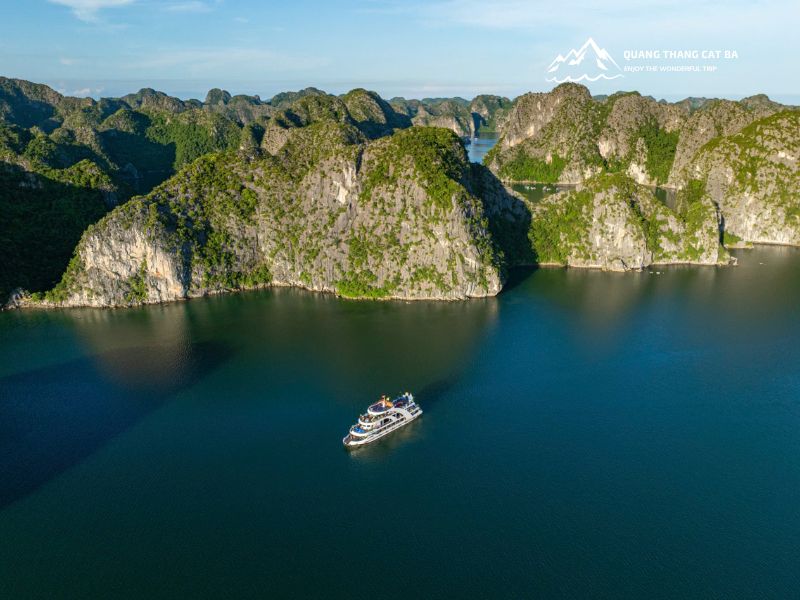
- Start on Lan Ha Bay (calm → scenic immersion)
Begin with a cruise through Lan Ha Bay’s limestone karsts and quiet lagoons. The open seascape sets a relaxed tone and introduces the region’s signature beauty before moving inland. - Enter Viet Hai Village (transition → cultural depth)
From the bay, travel into Viet Hai Village by bike or electric cart. This shift from water to land adds contrast, revealing rural life, jungle surroundings, and a slower rhythm that grounds the experience. - Trek to Navy Peak (build-up → panoramic reward)
Continue with a hike up Navy Peak. The gradual ascent through forested terrain leads to a wide, elevated view over Viet Hai and Lan Ha Bay often the emotional and visual highlight of the day. - Return to the bay (release → reflection)
Descend and head back toward the water for kayaking or swimming. After the climb, this final phase feels refreshing and completes the journey with a sense of balance. - Why this sequence works (contrast + cohesion)
The route moves from expansive seascapes to intimate village life to a summit payoff, then back to water creating a clear narrative arc rather than disconnected stops.
Key takeaway: The Lan Ha Bay → Viet Hai → Navy Peak flow delivers the most complete experience by layering scenery, culture, and activity in a logical build-up. Choose this route if you want one cohesive day that captures Cat Ba’s diversity.
Mistakes that ruin the experience
At Navy Peak, the biggest mistakes, going without a guide, choosing the wrong season or time, and joining rushed group tours directly reduce safety, visibility, and overall enjoyment. These errors often lead to exhaustion, poor views, and a rushed summit experience that misses the area’s unique natural and historical value.
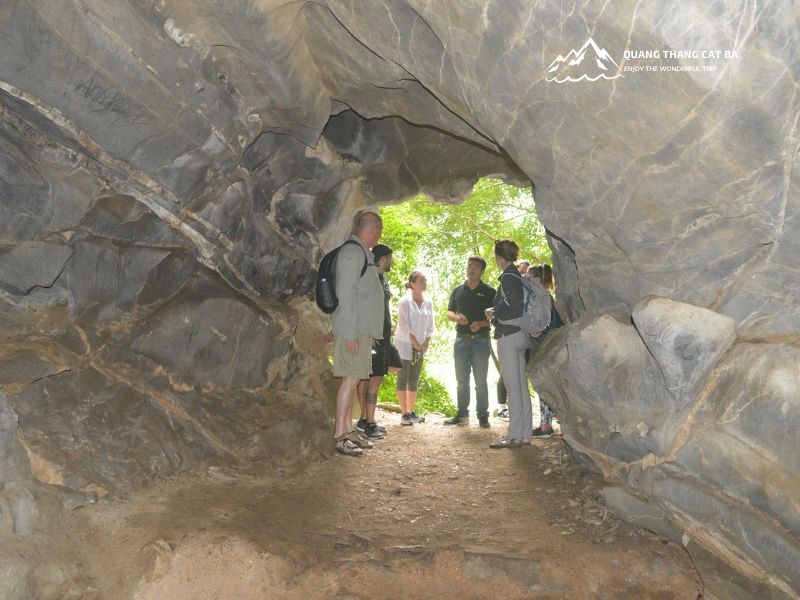
- Going without a guide
The route involves a ~9 km forest trek plus a steep 40-minute ascent. Without guidance, navigation becomes difficult, and you miss key insights like the historic 1965 naval radar site and local wildlife spotting. - Visiting at the wrong time or season
Midday heat (especially August - September) makes the climb physically draining, with high humidity and haze reducing panoramic views. Early morning visits in cooler months offer far better conditions. - Joining overcrowded or rushed tours
Large group itineraries often compress the summit visit into the hottest hours (12:00 - 14:00), leaving little time to enjoy the peaceful scenery and reducing chances of wildlife encounters. - Underestimating physical demands
The trek requires solid fitness. Arriving unprepared increases fatigue and limits your ability to fully enjoy the summit.
Key takeaway: Plan for an early-morning, small-group guided visit in the right season to protect both your energy and the quality of the Navy Peak experience.
FAQ (Frequently Asked Questions)
Is Navy Peak suitable for beginners?
Navy Peak requires moderate fitness due to steep, rocky sections. While not extremely long, the trail demands careful footing and comfort with short but intense climbs, making it better suited to active travelers rather than complete beginners.
How long does the Navy Peak hike take?
The hike typically takes about 45 - 60 minutes uphill from Việt Hải, with a full out-and-back experience fitting into a half-day (around 10:00 AM to 1:00 PM) within a longer day tour.
What is the best time to visit Navy Peak?
The best time is during the dry season from October to April, when trails are safer and less slippery. Summer months (May - October), especially July - August, bring heavy rain and typhoon risks that can disrupt hiking conditions.
Is the elevation a challenge at Navy Peak?
Elevation is not the main difficulty. Instead, steep inclines, uneven limestone terrain, humidity, and potentially slippery paths are the key factors that affect the hiking experience.
What makes Navy Peak special?
It is the highest viewpoint in the Việt Hải area, offering sweeping 360-degree views over Lan Ha Bay, Ha Long Bay, and Cat Ba Island rewarding hikers with a panoramic coastal landscape after a short but demanding climb.
Should I skip Navy Peak in bad weather?
Yes. Rain makes the trail slippery and increases safety risks, while storms can affect boat access. If visiting during peak rainy or typhoon season, consider easier alternatives on Cát Bà Island instead.
Navy Peak doesn’t replace Lan Ha Bay it deepens how you experience it, especially if you value variety and a sense of progress in your day. It tends to suit travelers who enjoy mixing light challenge with scenery, while those preferring a relaxed cruise may find the added effort less essential. With thoughtfully designed routes, Quang Thang Cat Ba helps turn that extra 10–30% of experience into something more memorable worth considering if you want your trip to feel both seen and earned.

