


How to Travel to Cat Ba by Motorbike isn’t about speed it’s about rhythm. The journey from Hanoi unfolds in stages: dense city traffic, a pause at the ferry, then a calmer island ride that feels earned rather than rushed. When you treat each segment as its own experience, delays and queues become expected pauses instead of frustrations. This approach keeps the trip manageable, less tiring, and far more enjoyable, especially when timing the ferry becomes the key turning point.
Should you travel to Cat Ba by Motorbike from Hanoi?
Traveling to Cat Ba by motorbike is best for experienced solo riders or adventurous duos who value the journey itself, but it’s less suitable for families or short trips due to ferry uncertainty, weather exposure, and fatigue compared with faster, organized transfers.
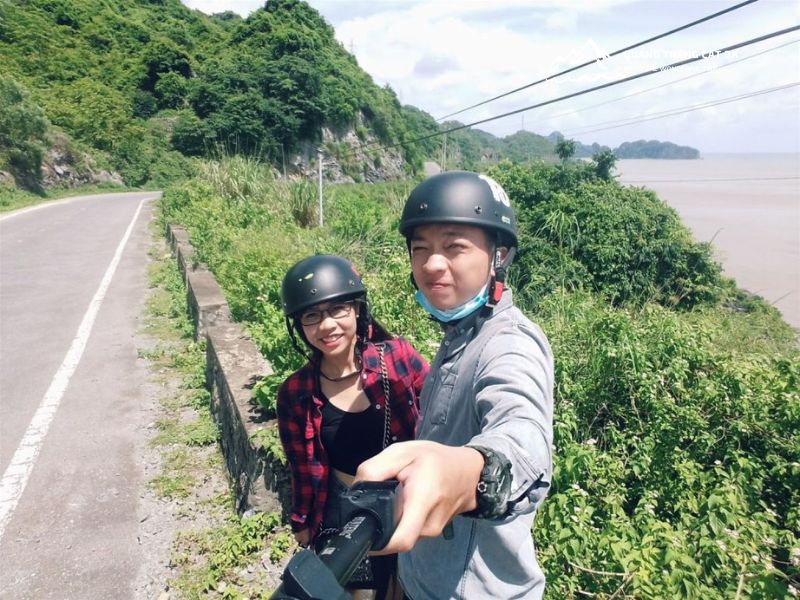
- Solo travelers: Good fit if confident riding long distances; flexible and scenic, but more effort than bus options.
- Couples/duos: Fair choice if both enjoy riding light; shared experience is rewarding, though less comfortable than limousine or bus.
- Families with children: Not recommended; organized transfers reduce stress, heat exposure, and waiting time.
- Weekend trips: Mixed; riding can consume time and energy better spent on the island.
- Time predictability: Bus–speedboat (~3 - 3.5 hours) is more reliable; motorbike depends on ferry timing and traffic.
- Fatigue factor: Higher on motorbike due to long riding hours, navigation, and ferry queues.
- Experience trade-off: Scenic and memorable vs. potentially tiring and unpredictable.
Key takeaway: Choose a motorbike if the ride is part of your adventure. For comfort, time efficiency, and smoother logistics, organized transport is usually the better option.
The exact route to Cat Ba by motorbike
Plan your ride around a target Dong Bai ferry, not road time. A reliable Hanoi → Cat Ba trip takes 4 - 5.5 hours with buffers, because delays happen at city exits, ferry queues, and irregular departures not on the highway itself.
- Leave Hanoi early with full buffer
Depart around 6:00 - 7:00 AM (weekday) or 5:30 - 6:00 AM (peak days). Although the expressway core is ~1 - 1.5 hours, allow 2.5 - 3.5 hours total to cover city traffic, stops, and the Cat Hai approach. - Ride Hanoi → Hai Phong → Dong Bai Ferry Terminal
Follow the Hanoi–Hai Phong Expressway (~105 km), then continue toward Cat Hai Island and Dong Bai terminal. Treat this as a continuous route, but expect slowdowns near the final approach. - Arrive early and secure your ferry slot
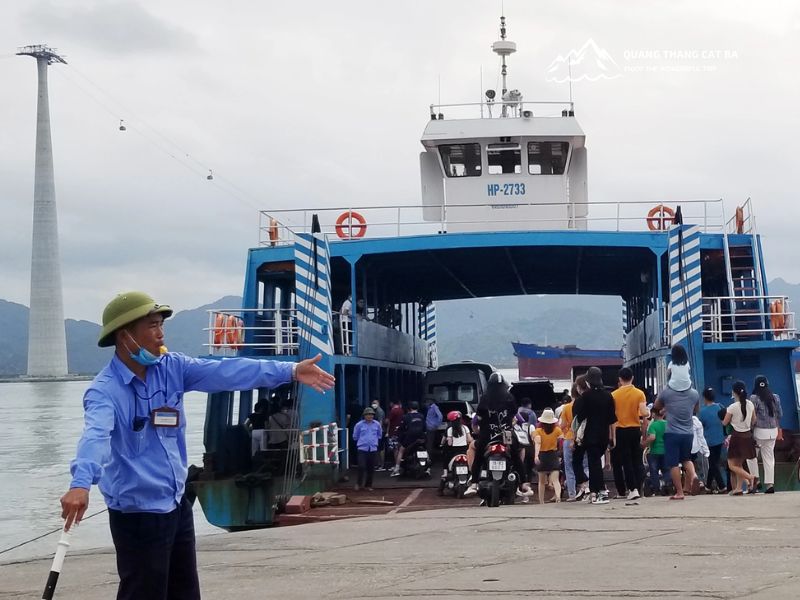
Reach Dong Bai 45 - 60 minutes early (weekday) or 90 - 120 minutes early (weekends, May - August, holidays). Ferries run roughly every 30 - 60 minutes, but queues and missed boarding are common in peak periods. - Take Dong Bai → Cai Vieng ferry
The crossing takes 20 - 30 minutes, but reserve 45 - 60 minutes total for loading, waiting, and unloading due to variability and occasional schedule gaps. - Ride Cai Vieng → Cat Ba Town
After landing, continue 35 - 50 minutes across the island. The road is scenic but can slow due to traffic or stops.
Key takeaway: The route is simple, but timing is not anchor your plan to a ferry window with enough buffer to miss one departure without disrupting the whole trip.
Comparison table: motorbike vs easier alternatives
Choosing how to travel from Hanoi to Cat Ba depends on whether you prioritize freedom or efficiency. Self-riding a motorbike offers maximum flexibility but requires endurance and skill, while buses, vans, or private cars provide smoother, more predictable journeys with less physical and mental strain.
|
Option |
Travel Time |
Cost (one-way/person) |
Best For |
|
Self-ride motorbike (full route) |
7–9 hours |
250k–500k VND |
Experienced riders, adventure seekers |
|
Sleeper night bus |
5.5–7 hours |
600k–900k VND |
Budget travelers, time efficiency |
|
VIP cabin bus |
5.5–7 hours |
750k–1.2M VND |
Comfortable overnight travel |
|
Limousine van (day) |
6–7.5 hours |
700k–1.2M VND |
Families, scenic daytime travel |
|
Private car/van |
5.5–7 hours |
3–5.5M VND per vehicle |
Groups, door-to-door convenience |
Motorbikes give you control over stops, pacing, and route variations, but involve fatigue, weather exposure, and traffic complexity. In contrast, organized transport options streamline logistics and reduce uncertainty, especially useful if you're managing tight schedules or traveling in groups.
Key takeaway: Choose a motorbike for freedom and immersion only if you’re confident in long-distance riding; otherwise, buses or vans offer a far more reliable and stress-free way to reach Cat Ba.
5 mistakes that ruin a motorbike trip to Cat Ba
Most motorbike trips to Cat Ba go wrong not from one big mistake, but from stacking small planning errors especially around timing, daylight, and physical limits. These issues quietly turn a scenic ride into a stressful, rushed, and less enjoyable experience.
- Overpacking the schedule
Trying to combine riding, ferry transfers, and trekking in one day leaves little time to enjoy each stop. The trip becomes a checklist instead of a journey, with constant clock-watching. - Riding too late into the day
Letting your ride stretch toward dusk increases risks fuel anxiety, poor visibility, and harder navigation on winding roads. What should feel freeing quickly turns tense and exhausting. - Leaving no buffer for transport delays
Tight ferry or transfer timing can collapse if delays hit. Missed connections or late arrivals often force stressful last-minute changes instead of smooth transitions. - Underestimating physical effort
Combining long rides with trekking especially in Cat Ba National Park can drain energy fast. Fatigue builds, making later parts of the trip feel like a burden rather than a highlight. - Overestimating riding ability
Inexperience with motorbikes, especially on unfamiliar terrain, adds mental strain. Small issues like fuel checks or bike handling can disrupt what should be a relaxed ride.
Key takeaway: Cat Ba rewards travelers who leave margin for time, daylight, and energy. Keep your plan simple, realistic, and flexible to preserve the joy of the journey.
Suggested 2D1N Itinerary
A smooth How to Travel to Cat Ba by Motorbike plan centers on an early outbound ferry and a flexible return after late morning or lunch, ensuring you avoid peak queues while protecting your best exploration time for Day 2.
- Day 1 (Transfer + light activity)
- 5:30–6:00 AM: Depart Hanoi to stay ahead of traffic and ferry buildup
- 8:30–9:00 AM: Arrive Đồng Bài/Bến Gót, queue early
- ~9:00 AM: Ferry (20–30 min crossing + waiting buffer)
- 10:00–11:00 AM: Ride to Cat Ba Town
- Late morning–afternoon: Check-in, lunch, short rest
- 3:30–6:30 PM: Choose one: Cannon Fort sunset, Cat Co beach, or coastal ride
- Day 2 (Main exploration + return)
- 6:30–11:00 AM: Main activity (Ngu Lam Peak hike or early Lan Ha Bay trip)
- 11:00 AM–1:00 PM: Lunch, shower, check out
- Early afternoon: Ride to ferry, return with buffer (avoid peak congestion)
This structure keeps Day 1 relaxed and shifts your most rewarding experiences to a cooler, less crowded morning.
Key takeaway: Prioritize an early ferry outbound and a flexible return window. Save energy on arrival day and invest your best daylight hours on Day 2 for the most satisfying Cat Ba experience.
When you should skip the motorbike and choose a better option
You should skip a motorbike for long, tiring, weather-exposed, or multi-leg journeys where arriving fresh matters more than flexibility. For routes like Hanoi to Cat Ba, buses, ferries, or trains typically reduce fatigue, simplify connections, and preserve energy for sightseeing instead of exhausting it on the road.

- Long intercity distances: Motorbikes lose efficiency over hours; slower speeds, breaks, and exposure outweigh their city advantage.
- Arrival matters: If you plan to hike, work, or explore immediately, passive travel (bus/train) helps you arrive rested.
- Active fatigue buildup: Constant focus, vibration, posture strain, heat, and rain wear you down more than expected.
- Weather risk: Rain or extreme heat turns manageable rides into draining, uncomfortable journeys.
- Multi-leg routes: Combining road + ferry is smoother with buses or transfers than self-riding logistics.
- Overnight travel: Sleeper buses or trains convert travel time into rest, unlike riding through fatigue.
- Challenging terrain: Mountain or unfamiliar rural roads increase risk if you’re not highly experienced.
- Better role for bikes: Use them for short, flexible segments or local exploration not the entire journey.
Key takeaway: Motorbikes work best for short, flexible rides. For longer transfers like Hanoi - Cat Ba, switching to bus, ferry, or train protects your energy, improves safety, and creates a smoother overall travel experience.
FAQ
Is riding a motorbike to Cat Ba worth it?
Yes, if you want schedule control and to keep using your own bike. It’s less ideal if you prefer a simple, low-effort trip without ferry coordination.
How long does the ferry take?
The Đong Bai–Cai Vieng ferry takes about 30 minutes on water, but total time depends on waiting and boarding. Services run every 30 - 60 minutes with up to 23 daily departures.
How much does it cost to bring a motorbike?
Expect around 44,000 - 45,000 VND for a motorbike plus rider, versus ~10,000 - 14,000 VND for passengers only. Prices can vary slightly, so check before departure.
Is it cheaper to bring your bike or rent on the island?
For 1–2 days, costs are similar. Rentals typically range from 100,000 - 300,000 VND/day, so savings from bringing your bike may be small once ferry time and effort are included.
Is the ferry safe for motorbikes?
Yes. Authorities enforce strict safety checks and coordination. The main challenge is handling your bike during loading, unloading, and busy pier traffic.
How far is it from the ferry to Cat Ba Town?
About 20 - 25 km from Cái Viềng to town. Roads are generally manageable, but fuel and services are concentrated near the town area.
When should I rent instead of bringing a bike?
Rent if you want convenience, short stays, or minimal logistics. It’s the easiest option for most visitors arriving by bus or ferry without a bike.
A motorbike trip to Cat Ba works best when you follow its natural structure, not fight it. Breaking the ride into segments turns a potentially stressful day into a steady, well-paced journey that leaves you arriving with energy instead of exhaustion. If you want a smoother plan without second-guessing ferry timing, Quang Thang Cat Ba can help you shape a trip that fits your pace so the ride feels as rewarding as the destination.

